
Blogs Details
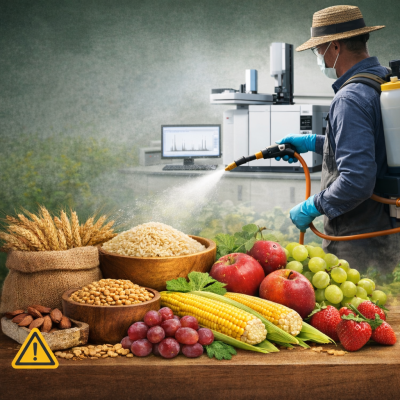
Ensuring the safety and quality of food products through rigorous testing and analysis is crucial for maintaining public health and consumer trust
The Crucial Role of Food Testing and Analysis in Ensuring Safety and Quality
As consumer concerns about food safety, nutritional content, and authenticity continue to rise, food testing and analysis have become indispensable in the food industry. These processes are vital for meeting regulatory requirements, maintaining consumer trust, and safeguarding public health.
With the threat of foodborne illnesses posed by microbial pathogens, chemical contaminants, and other hazards, food testing and analysis are essential in identifying and mitigating these risks. By detecting and quantifying contaminants, pathogens, and allergens, these processes ensure the safety of food products.
Ensuring Food Quality and Compliance
Food quality plays a critical role in consumer satisfaction and loyalty. Through rigorous testing and analysis, food products are evaluated for sensory characteristics, nutritional content, shelf-life, and other quality parameters, ensuring they meet established standards and consumer expectations.
The food industry operates under strict regulations to ensure product safety and quality. Food testing and analysis help businesses comply with these regulations by verifying specific substances, meeting labeling requirements, and adhering to industry guidelines.
Combating Food Fraud and Supporting Innovation
Food fraud, involving the intentional misrepresentation of products for economic gain, is a pressing concern. Testing and analysis detect fraud by verifying the authenticity, origin, and composition of food products, thus protecting consumers and maintaining supply chain integrity.
Furthermore, these processes support research and development within the food industry. They aid in the creation of new products, the reformulation of existing ones, and the study of processing and storage impacts on food quality and safety.
Methods and Techniques in Food Testing and Analysis
- Chemical Analysis: Determines chemical composition using techniques like chromatography, spectrometry, and titration to identify nutrients, contaminants, preservatives, and flavor compounds.
- Microbiological Testing: Detects microorganisms such as bacteria, yeasts, and molds using methods like microbial culture, PCR, and ELISA to ensure microbiological quality and safety.
- Allergen Testing: Identifies allergenic substances using ELISA, PCR, and mass spectrometry to ensure accurate labeling and management.
- Nutritional Analysis: Assesses nutritional content, including macronutrients, micronutrients, and energy content.
Food testing and analysis are pivotal for the food industry's commitment to safety, quality, and innovation. By employing a variety of methods and techniques, the industry continues to advance and adapt, ensuring that consumer trust and public health remain at the forefront.
Request a Quote
Fill the details and our team will contact you shortly