
Blogs Details
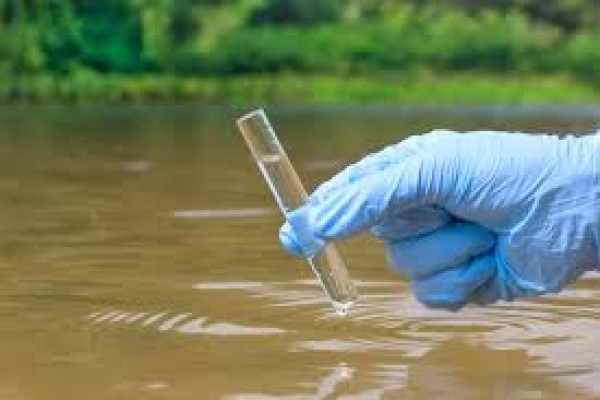
Ensuring Safe Groundwater Quality Through Comprehensive Borewell Water Testing for Healthier Communities and Compliance with Environmental Regulations
Borewell Water Testing: A Crucial Step for Health and Compliance in India
Borewell water is a critical resource in India, serving as a primary water source for homes, agricultural sites, industries, and more. However, as this water travels through soil and rock, it can accumulate harmful substances, making scientific testing essential for health safety and regulatory compliance.
Why Borewell Water Testing is Essential
Protecting health and infrastructure is paramount. Untreated borewell water can harbor various contaminants:
- Microbial Hazards: Disease-causing microbes like E. coli and total coliforms.
- Chemical Contaminants: Nitrate, fluoride, and toxic metals including arsenic, lead, and chromium.
These contaminants can lead to severe health issues such as gastrointestinal infections, neurological disorders, and chronic illnesses.
Regulatory Compliance and Equipment Protection
For those using borewell water in food production, drinking, industrial processes, or healthcare, compliance with standards such as BIS IS 10500, CPCB, FSSAI, and WHO guidelines is critical. Additionally, preventing scale and corrosion in equipment requires monitoring for high hardness, TDS, and metal concentrations.
Who Needs Borewell Water Testing?
Regular testing is advised for:
- Homeowners and housing societies
- Construction projects
- Educational and healthcare institutions
- Food processing and industrial facilities
When to Test Borewell Water
The timing of tests is crucial:
- Before using a new borewell
- Immediately after drilling
- Post-monsoon
- Biannually for drinking water, quarterly for industrial
- Upon any noticeable change in taste, color, or odor
- During local illness outbreaks
Common Contaminants
- Physical: pH, turbidity, color, and odor
- Chemical: Hardness, alkalinity, TDS, chloride, nitrate, fluoride, sulphate, iron, manganese, heavy metals
- Microbiological: Total coliform, E. coli, pathogenic bacteria
- Pesticides and Emerging Pollutants: PFAS, BPA, volatile organics
Standards and Testing Methods
Borewell water testing aligns with both national and international standards like BIS, CPCB, FSSAI, and WHO. Accredited labs use ISO/IEC 17025, APHA, BIS, AOAC, ASTM, and USEPA methods for precision and reliability.
Calilabs Private Limited: Your Testing Partner
Calilabs Private Limited offers comprehensive testing services with NABL-accredited methods. Our services include:
- Comprehensive Packages: Tailored panels for various applications covering all relevant parameters.
- ISO-Compliant Sampling: Ensuring accurate and representative results through strict protocols.
- Advanced Instrumentation: Utilizing ICP-MS, GC-MS, LC-MS, and more for precise detection.
- Clear Reports: Providing actionable insights with comparisons to BIS and WHO standards.
- Nationwide Support: Trusted by industries and government projects across India.
Ensuring the safety and compliance of borewell water is not just a regulatory requirement but a critical step in safeguarding health and infrastructure.
Request a Quote
Fill the details and our team will contact you shortly