
Blogs Details
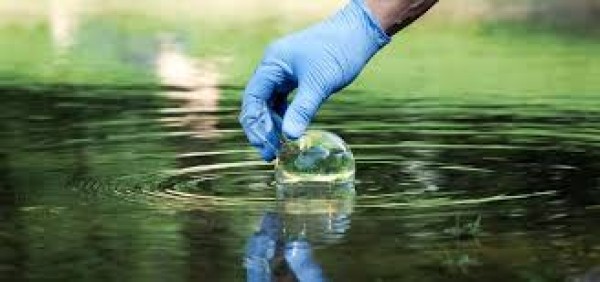
Drinking Water Testing: A Guide to Ensuring Safe and Compliant Water Quality
Table of Contents
- Introduction
- What is Drinking Water Testing?
- Why is Drinking Water Testing Important?
- Who Should Get Their Drinking Water Tested?
- Parameters for Drinking Water Testing
- Regulations for Drinking Water Testing
- Why Choose Us?
Introduction
Drinking Water Testing is essential to ensuring public health and safety. Access to clean and safe drinking water is not just a basic necessity—it is a critical determinant of public health. Yet, the water that reaches our taps may contain invisible contaminants such as heavy metals, harmful bacteria, chemical residues, and other pollutants that can pose serious health risks. According to the World Health Organization (WHO), over 1.7 billion people globally use a drinking water source contaminated with faeces. Water pollution contributes to approximately 505,000 diarrhoeal deaths each year worldwide.
This alarming reality underscores the urgent need for regular water testing. Whether sourced from municipal supplies, borewells, or packaged drinking water, every drop must be monitored to ensure it meets established safety standards. Drinking water analysis conducted in a certified laboratory helps detect a wide range of physical, chemical, and microbiological contaminants—providing scientific assurance that the water is safe for consumption.
What is Drinking Water Testing?
Drinking water testing is a scientific process used to evaluate the physical, chemical, and microbiological properties of water to determine whether it is safe for consumption. This involves testing for visible qualities like turbidity and colour, chemical constituents such as fluoride or lead, and microbiological contaminants like E. coli.
The primary goal is to detect the presence of harmful substances and ensure the water meets national and international standards for potability.
Why is Drinking Water Testing Important?
Drinking water refers to water intended for human consumption, whether for drinking or cooking and can originate from various sources such as municipal supplies, groundwater, or packaged water. To ensure it’s safe for drinking and cooking, drinking water testing is essential for detecting contaminants and safeguarding health.
- Ensures Safety for Consumption: Detects harmful contaminants such as bacteria, viruses, heavy metals, and chemicals that are invisible to the naked eye.
- Prevents Waterborne Diseases: Helps reduce the risk of illnesses like cholera, typhoid, dysentery, and gastrointestinal infections.
- Protects Long-term Health: Identifies chronic exposure to toxins like arsenic, fluoride, or lead which can cause neurological, developmental, and immune related disorders.
- Supports Regulatory Compliance: Verifies that water meets standards set by BIS (IS 10500), FSSAI, and WHO to ensure it is safe for drinking.
- Monitors Source Quality: Tracks changes in water quality due to seasonal variation, industrial discharge, or pollution events.
- Promotes Environmental Responsibility: Helps in protecting freshwater resources and supports sustainable water management practices.
Who Should Get Their Drinking Water Tested?
Drinking water testing is essential for a wide range of users to ensure safety, regulatory compliance, and public health:
- Residential buildings and housing societies using borewell or tanker water as their primary source.
- Educational institutions such as schools and colleges where children and young adults are more vulnerable to waterborne illnesses.
- Hospitals and healthcare facilities that require high water purity to protect immunocompromised patients.
- Hotels, Restaurants, and Catering (HoReCa) to ensure safe water for cooking, drinking, and serving guests.
- Packaged drinking water and mineral water bottling units, where testing is mandatory under FSSAI and BIS standards.
- Food and beverage manufacturing units that use water as an ingredient or for cleaning and processing.
Parameters for Drinking Water Testing
Drinking Water testing is conducted across three major categories:
1. Physical Parameters
- Colour: Clear water should have no abnormal coloration.
- Odour: Water should be free from any unpleasant or unusual smells.
- pH: Ideal range is 6.5 to 8.5 for potable water.
- Taste: Potable water should have a neutral or pleasant taste.
- Turbidity: Measures cloudiness; high turbidity may indicate suspended solids.
- Total Dissolved Solids (TDS): High TDS may affect taste and safety.
2. Chemical Parameters
- Fluoride, Nitrate, Chloride: Excess concentrations can pose serious health risks.
- Heavy Metals: Lead, arsenic, mercury, and cadmium must be within permissible limits as they are toxic even at low levels.
- Hardness: High hardness can cause scaling in pipes and may lead to kidney related issues over prolonged exposure.
- Pesticide Residues: Critical to monitor, especially in agricultural areas, to ensure water is free from toxic agrochemicals.
- Free Residual Chlorine: Indicates effective disinfection; should be present within acceptable limits.
- Iron: High levels can cause alter taste, and affect water clarity.
- Total Hardness: Important for assessing scaling potential and overall mineral content.
- Total Alkalinity: Helps in buffering capacity of water and maintaining stable pH levels.
3. Microbiological Parameters
- Total Coliforms and E. coli : Serve as primary indicators of fecal contamination.
- Protozoan Parasites and Viral Indicators : Protozoan parasites like Giardia and Cryptosporidium, and viral indicators like MS2 phage, must be absent in drinking water to prevent gastrointestinal illnesses.
- Microscopic Organisms: Drinking water should be free from algae, zooplankton, flagellates, parasites, and toxin-producing organisms, which may pose health concerns.
Regulations for Drinking Water Testing
Bureau of Indian Standards (BIS)
Food Safety and Standards Authority of India (FSSAI)
Why Choose Us?
With over 30+ years of expertise, Cali Labs Pvt Ltd. is a NABL accredited laboratory under ISO/IEC 17025, recognized by BIS, FSSAI. We offer a testing scope of over parameters, covering all essential regulatory drinking water quality standards. Our services include pan India sampling & quick turnaround, aligned with FSSAI, BIS, Powered by advanced technology and a team of technical experts, we ensure accurate and compliant drinking water testing solutions.
Request a Quote
Fill the details and our team will contact you shortly