
Blogs Details
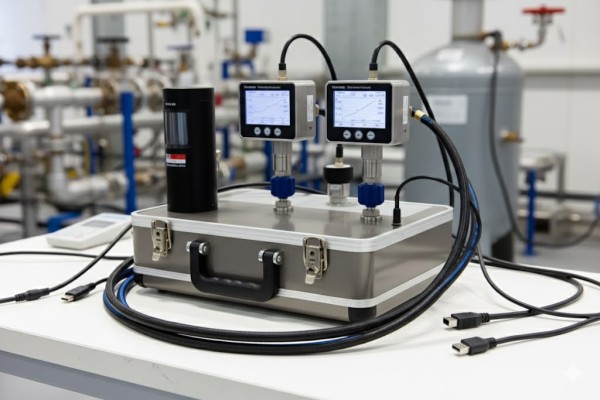
Ensure Accurate Measurements Boost Efficiency and Quality
The Crucial Role of Calibration in Modern Manufacturing
In the world of manufacturing, precision and accuracy are non-negotiable. Calibration is the cornerstone that ensures measuring tools and machinery operate within specified tolerances, safeguarding quality, safety, and reliability.
Without regular calibration, equipment risks falling out of specification, leading to inaccurate measurements and potentially jeopardizing product quality and safety. This can have dire consequences, from increased waste to serious reputational damage.
Understanding Calibration in Manufacturing
Calibration is the process of verifying that manufacturing equipment functions within predetermined specifications. This is vital for ensuring that products meet quality standards and fit together as intended.
- Absolute Calibration: Involves using a known reference value, like a weight, to calibrate an instrument.
- Relative Calibration: Matches instrument values to another accurately calibrated instrument.
Why Accuracy Matters
The primary reason accuracy is critical in manufacturing is to ensure product quality and safety. Inaccurate components can lead to failures, costly recalls, and significant reputational damage. Furthermore, inaccurate manufacturing caused by uncalibrated machinery can lead to:
- High Rates of Rejected Parts: Inefficient production and wasted materials.
- Cost and Time Overruns: Additional production or finishing processes may be needed.
- Reputation Damage: Unhappy customers may leave poor reviews.
The Importance of Calibration in Quality Assurance
Calibration plays a pivotal role in maintaining quality assurance in manufacturing:
- Ensures accurate quality control processes.
- Enhances efficiency by ensuring equipment operates as expected.
- Reduces waste and production delays.
- Improves safety by ensuring precise calibration of safety equipment.
- Maintains regulatory and industry compliance.
Types of Equipment Calibration
Various factors affect equipment performance, necessitating different types of calibration:
- Pressure Calibration: Ensures accurate readings from pressure gauges and sensors.
- Temperature Calibration: Ensures thermostats and thermometers measure accurately.
- Dimensional Calibration: Verifies accuracy of tools measuring length, width, etc.
- Electrical Calibration: Checks instruments measuring electrical activity.
- Flow Calibration: Ensures correct readings from flow meters and regulators.
- Force Calibration: Verifies precision in load cells and torque wrenches.
Calibration Process: How It Works
A standardized process is followed to calibrate machinery:
- Choosing a Standard: Determine a reference standard for calibration.
- Comparing Measurements: Test the device under controlled conditions.
- Adjusting Equipment: Make adjustments based on discrepancies.
- Documentation and Certification: Document results and issue a certificate of calibration.
Overcoming Calibration Challenges
Implementing a successful calibration program can be challenging. Common issues include:
- Insufficient Training: Technicians must be properly trained in calibration procedures.
- Time Constraints: Centralized scheduling ensures timely calibration.
- Ignoring Small Deviations: All deviations must be addressed to mitigate risk.
- Incomplete Records: Maintaining a central log prevents duplicated or overlooked work.
Calibration’s Role in Predictive Maintenance
Predictive maintenance benefits from calibration, providing valuable data to identify patterns and schedule maintenance before equipment risks failure. This ensures equipment remains within specification.
How Often Should You Calibrate?
Calibration frequency varies, but general guidelines include:
- Use-Based Calibration: More frequently for heavily-used equipment.
- Criticality-Based Calibration: Prioritize critical assets for efficiency and quality.
- Project-Based Calibration: Calibrate post-project for readiness.
- Environmental-Based Calibration: Frequent calibration in harsh environments.
For specific guidance, consult the manufacturer's recommendations or work with experienced industrial maintenance providers.
In conclusion, calibration is indispensable in manufacturing, ensuring equipment accuracy, maintaining quality standards, and safeguarding both products and reputation. Regular calibration is the backbone of a successful manufacturing operation.
Request a Quote
Fill the details and our team will contact you shortly