
Blogs Details
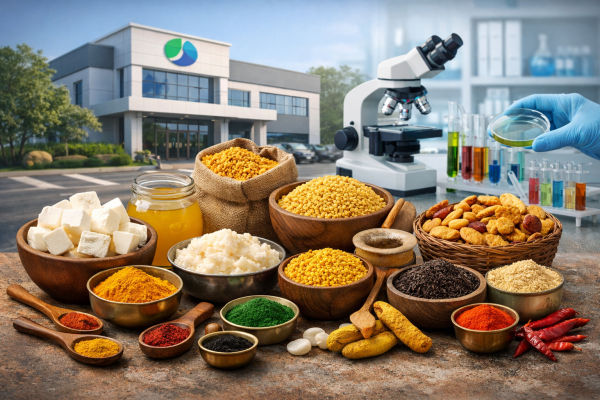
Discover the Truth About Organic Foods Are They Truly Healthier Safer and Worth the Cost Compared to Non Organic Choices
The Growing Popularity of Organic Foods: Are They Truly Better for You?
Over the last two decades, organic foods have surged in popularity, with U.S. consumers spending a staggering $56 billion on organic produce in 2020. This marks a nearly 13% increase from 2019, indicating that the trend shows no signs of slowing down.
Proponents of organic food often cite it as being safer, healthier, and tastier than conventionally grown alternatives. Additionally, they argue that organic farming is more environmentally friendly and promotes the well-being of animals.
What is Organic Food?
The term "organic" pertains to specific farming practices that avoid artificial chemicals, hormones, antibiotics, and genetically modified organisms (GMOs). To earn the organic label, products must be free from artificial additives like sweeteners, preservatives, coloring, flavoring, and monosodium glutamate (MSG).
Organically grown crops typically utilize natural fertilizers such as manure, while organically raised animals are not administered antibiotics or hormones. Organic farming practices are believed to improve soil quality, conserve groundwater, and reduce pollution, potentially benefiting the environment.
The most commonly purchased organic items include fruits, vegetables, grains, dairy products, and meat. Consumers can also find processed organic products such as sodas, cookies, and meat substitutes.
Do Organic Foods Offer More Nutrients?
Studies on the nutrient content of organic versus non-organic foods have yielded mixed results. However, some evidence suggests that organic produce may contain more antioxidants and micronutrients, such as vitamin C, zinc, and iron. Organically grown crops may produce more protective compounds like antioxidants because they don't rely on chemical pesticide sprays.
Additionally, organic dairy and meat may boast a more favorable fatty acid profile, with higher levels of omega-3 fatty acids. Despite these findings, several studies have found insufficient evidence to definitively recommend organic over conventional foods.
Reduced Chemical Exposure
Many consumers opt for organic foods to avoid artificial chemicals. Research indicates that organic produce may lower exposure to pesticide residues and antibiotic-resistant bacteria. However, the levels of toxins in conventional produce typically remain well below safety limits.
Health Benefits: Fact or Fiction?
There is limited strong evidence affirming that organic foods confer greater health benefits compared to conventional foods. While some studies suggest potential benefits such as reduced risk of allergies and eczema in children, more high-quality human research is needed to draw firm conclusions.
Not All Organic Foods Are Created Equal
It's crucial to note that not all organic products are nutrient-dense. Highly processed organic foods can still be high in calories, added sugar, salt, and fats. Consumers should prioritize nutritional content over the organic label when making dietary choices.
How to Identify Organic Foods
The United States Department of Agriculture (USDA) has established an organic certification program, ensuring that products labeled as organic meet stringent government standards. Look for the USDA organic seal or statements such as:
- 100% Organic: Entirely made from organic ingredients.
- Organic: At least 95% of the ingredients are organic.
- Made with Organic Ingredients: At least 70% of the ingredients are organic.
Conclusion
The debate over whether organic foods are superior continues, with mixed evidence on their nutritional benefits. While they may reduce exposure to certain chemicals, they often come at a higher cost and are not always more nutritious. Ultimately, the decision to purchase organic should align with personal preferences and dietary needs.
Request a Quote
Fill the details and our team will contact you shortly